
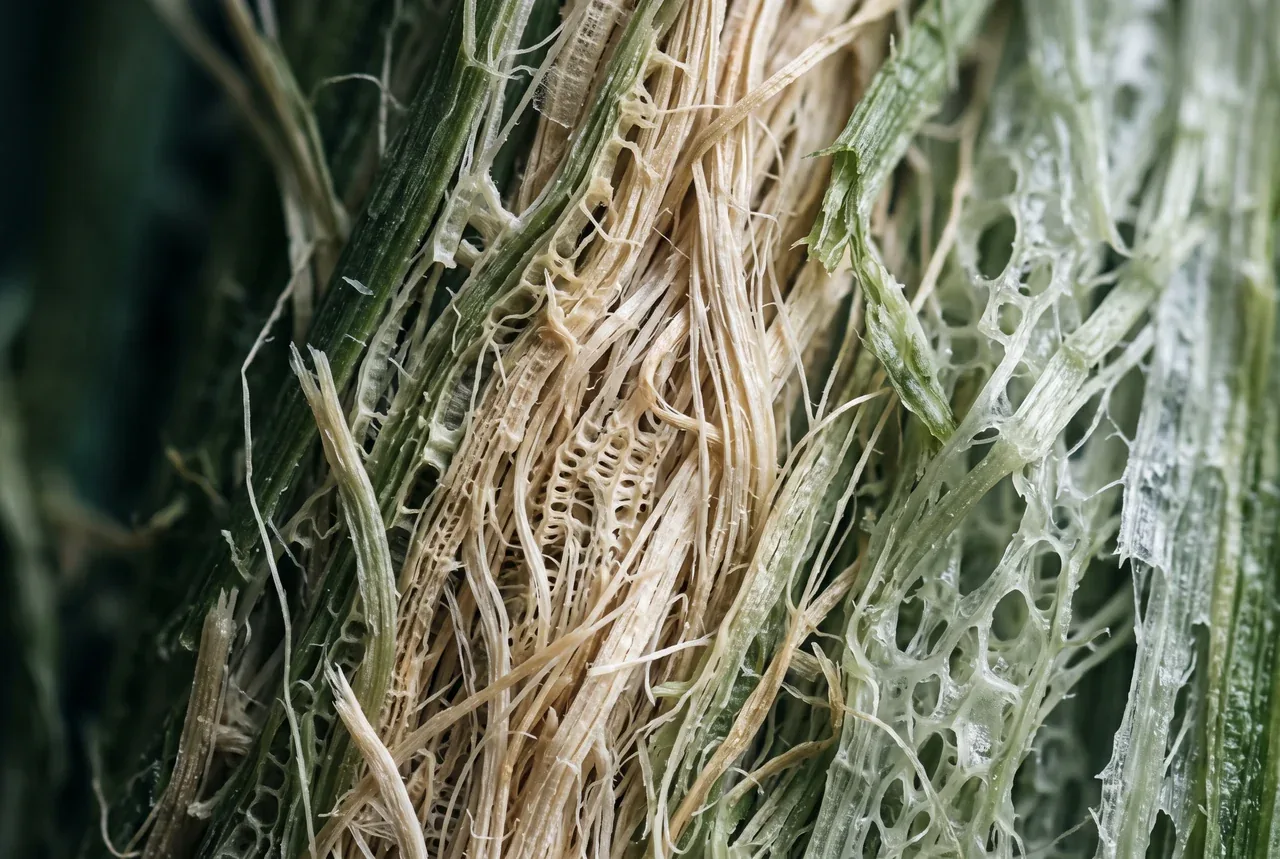
Scope of the Glasstommer® balance
- Raw material sourcing
- Manufacturing
- Packaging
Impact,
put to the test.
Measuring lets us understand where we add value and how to keep improving.
Protection counts in the footprint too.
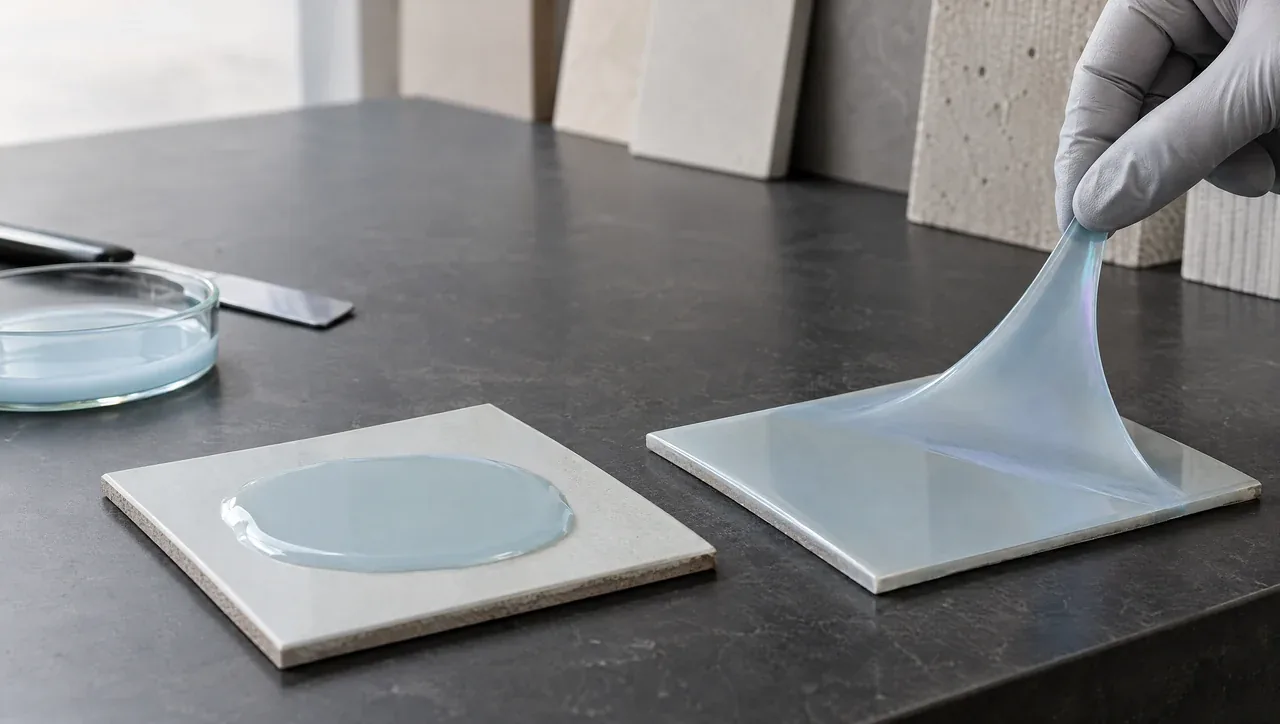
A life cycle assessment of our removable protection identified environmental advantages over a conventional plastic film in the scenarios compared.
The findings apply to Universal Protective Coating White, used for temporary glass protection, and to the scenarios assessed.
Every material counts on the path to certification.
The contribution begins on site and continues in the building: material selection, waste prevention and energy efficiency. Our technologies can support various strategies in projects pursuing LEED®, EDGE or CASA Colombia.

Air, waste and energy.
GLASST release agents can support source control of pollutants within the construction indoor air quality plan. Protector Universal replaces conventional plastic films and can be built into waste prevention and management strategies.
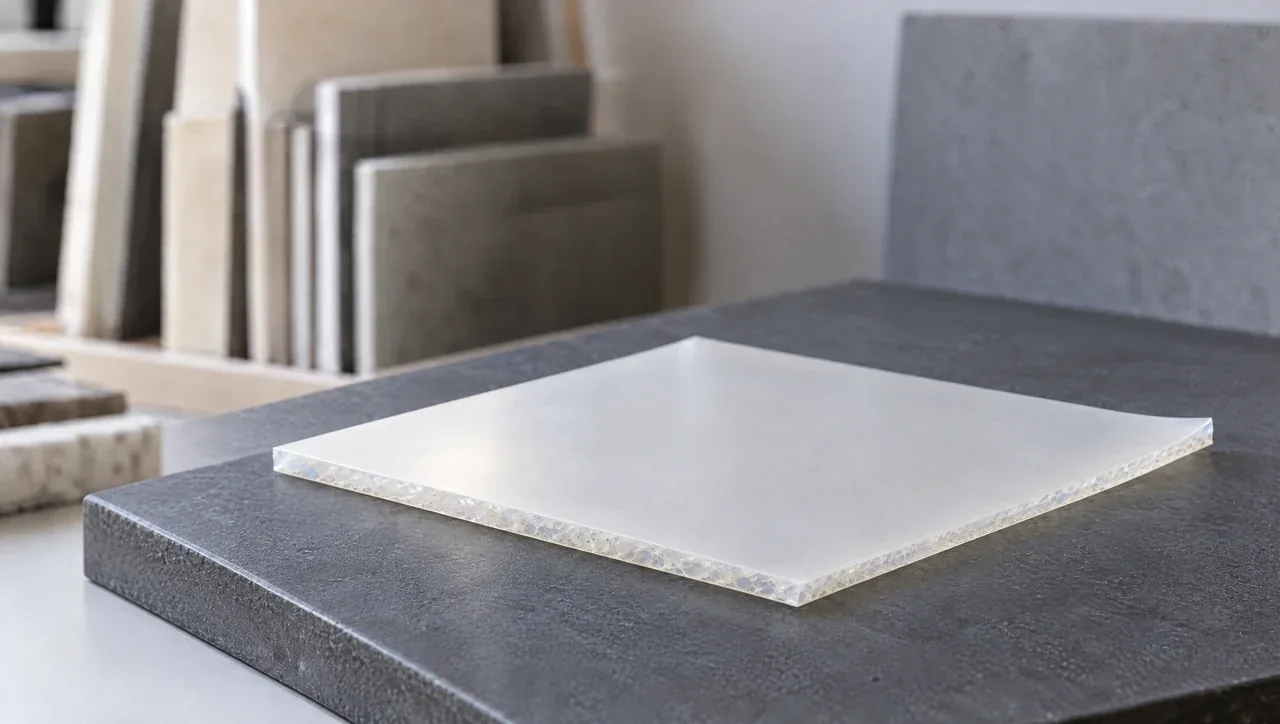
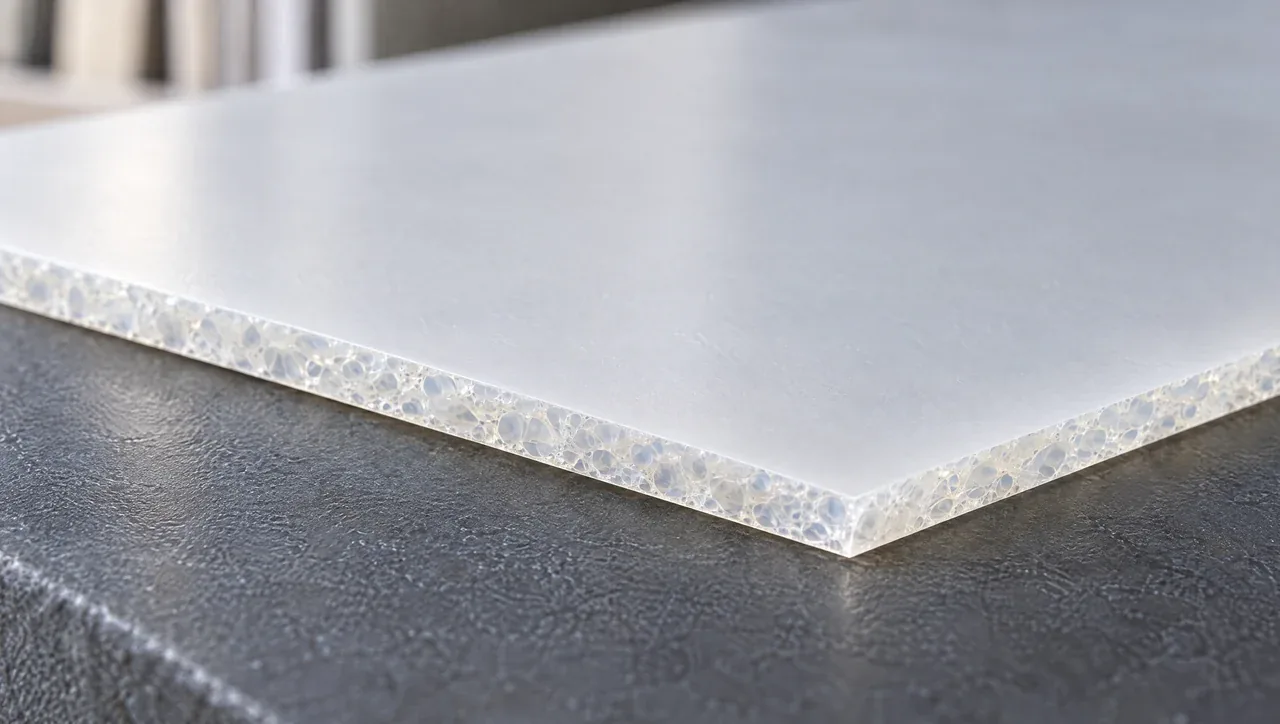
UNHEAT® contributes thermal properties for assessing the building’s energy efficiency.

More efficient walls and roofs.
The thermal conductivity of UNHEAT® allows its contribution to wall and roof insulation to be assessed in EDGE. The envelope calculation and the building model determine its contribution to energy savings.

Sustainability from the site onwards.
GlasstMould® offers alternatives to the diesel and oil used for form release; Protector Universal replaces protective plastic films. Both can be built into environmental management, sustainable purchasing, and waste prevention and management on site.
UNHEAT® makes it possible to assess thermal improvements for a more efficient home.


The contribution is verified by reference and by use, according to the version of the system and the project documentation. For waste, it requires demonstrating the reduction or recovery and the destination of the material removed. No material on its own guarantees points or certification.
LEED® is a registered trademark of the U.S. Green Building Council.